 11
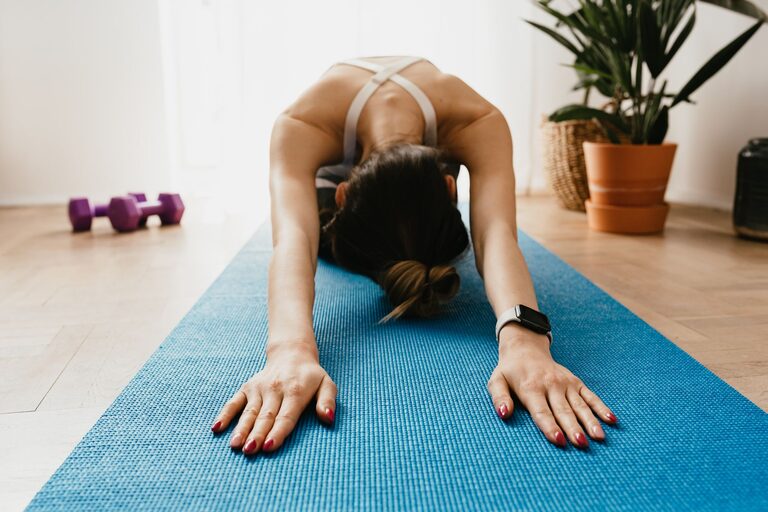
Stretching is a simple way to add movement to your day. It requires little space, no special equipment, and can fit into many routines. Whether you spend long hours at a desk, enjoy walking, or want to move more comfortably, a few gentle stretches may help you feel less stiff and more relaxed.
For beginners, the key is to start slowly and focus on consistency rather than forcing flexibility. This guide explains how to stretch at home, which movements to try, and how to create a routine that feels manageable.
Regular stretching can help you move through everyday activities with greater ease. It may also encourage better body awareness, especially when you pay attention to areas that feel tight after sitting, traveling, or exercising.
A simple stretching routine can:
– Encourage comfortable movement
– Help you relax after a busy day
– Support good posture habits
– Prepare your body for gentle activity
– Add variety to your daily routine
Stretching is not a competition. Everyone has a different starting point, and progress can be gradual. The goal is to feel gentle tension, not pain.
You can stretch in many places at home, but a few simple preparations can make the experience more comfortable.
Choose a clear area where you can extend your arms and legs without hitting furniture. A yoga mat, rug, or folded towel can provide extra comfort, although a mat is not required. Wear clothing that allows you to move freely.
If your body feels cold or stiff, begin with a few minutes of easy movement. Try walking around the room, gently swinging your arms, or marching in place. This helps you transition into your routine without immediately holding deep stretches.
Keep water nearby if you like, and remove distractions when possible. A calm environment can make it easier to focus on your breathing and posture.
Before trying specific stretches, keep these guidelines in mind:
Avoid bouncing or making sudden movements. Slowly enter each position and make small adjustments until you feel a mild, steady stretch.
A stretch should feel manageable. Stop or ease out of the position if you feel sharp pain, tingling, numbness, or unusual discomfort. A deeper stretch is not always a better stretch.
Try not to hold your breath. Slow, relaxed breathing can help you stay comfortable and avoid unnecessary tension. Inhale as you prepare, then breathe steadily while holding the position.
Keep your shoulders, hands, and jaw relaxed when possible. Unwanted tension can make a stretch feel more difficult than it needs to be.
A short routine performed regularly is often easier to maintain than a long session done only occasionally. Start with five to ten minutes and build from there if it feels comfortable.
The following movements are simple options for a home routine. Hold each stretch for about 15 to 30 seconds, then release slowly. Repeat on both sides when needed.
Sit or stand tall with your shoulders relaxed. Slowly tilt your right ear toward your right shoulder. Keep your face pointing forward, and avoid lifting your shoulder toward your ear. Return to the center and repeat on the other side.
For the shoulders, gently roll them up, back, and down in a smooth circle. Repeat several times, then reverse the direction.
These movements can be useful after reading, working, or using a screen for an extended period.
Stand or sit with your hands extended in front of you. Interlace your fingers and gently reach forward while allowing your upper back to round slightly. Keep the movement comfortable and avoid collapsing your posture.
You should feel a mild stretch across the upper back and between the shoulder blades.
Stand beside a doorway or near a clear wall. Place one forearm against the door frame or wall, keeping your elbow around shoulder height. Slowly turn your body away until you feel a gentle stretch across the front of your chest.
Repeat on the other side. Keep the movement small and avoid twisting forcefully.
Stand with your feet about hip-width apart. Raise your right arm overhead and gently lean to the left. Keep both feet grounded and avoid bending forward or rotating your body.
Return to the center and switch sides. This stretch can help you focus on the sides of your torso and your breathing.
Use a wall or sturdy chair for balance if needed. Bend your right knee and bring your heel toward your seat. Hold your ankle or pant leg with your right hand, keeping your knees close together.
Stand tall rather than leaning forward. Release slowly and repeat with the other leg. If you cannot comfortably reach your foot, skip this stretch or use a different position.
Sit on the edge of a sturdy chair with one foot resting on the floor and the other leg extended forward. Keep the extended leg slightly bent if that feels more comfortable. Hinge forward gently from your hips while keeping your back long.
Stop when you feel a mild stretch along the back of your extended leg. Avoid rounding deeply or reaching for your toes at all costs.
Face a wall and place both hands against it. Step your right foot back, keeping the heel down and the toes pointing forward. Bend your front knee slightly while keeping the back leg comfortably extended.
Hold the position, then switch sides. Move your back foot closer or farther away to adjust the intensity.
A beginner routine does not need to be complicated. Try this sequence:
Move at a comfortable pace. If you have only five minutes, choose two or three movements instead of skipping the routine entirely.
Beginners often make stretching harder by trying to do too much too soon. Watch for these common mistakes:
– Bouncing in and out of a stretch
– Holding your breath
– Comparing your flexibility with someone else’s
– Stretching through sharp pain
– Using unstable furniture for balance
– Neglecting one side of the body
– Moving too quickly between positions
– Treating stretching as a test of strength
If a movement does not feel right, stop and choose a gentler option. You can also reduce the range of motion or shorten the hold.
There is no single schedule that works for everyone. Many beginners find it helpful to stretch for a few minutes most days or after periods of sitting. You can also include gentle stretching after an easy walk or as part of a relaxing evening routine.
Keep track of how you feel before and after each session. Over time, you may notice that certain movements become more comfortable. Progress may also show up as better awareness of your posture and daily movement.
If you have an injury, ongoing discomfort, or a condition that affects movement, ask a qualified health professional which activities are suitable for you before beginning a new routine.
The easiest routine to maintain is one that fits naturally into your day. Stretch while listening to music, after brushing your teeth, during a work break, or before winding down at night.
Start small, move gently, and focus on regular practice. With patience, home stretching can become a simple part of your wellness routine and a pleasant way to give your body more movement throughout the day.