 11
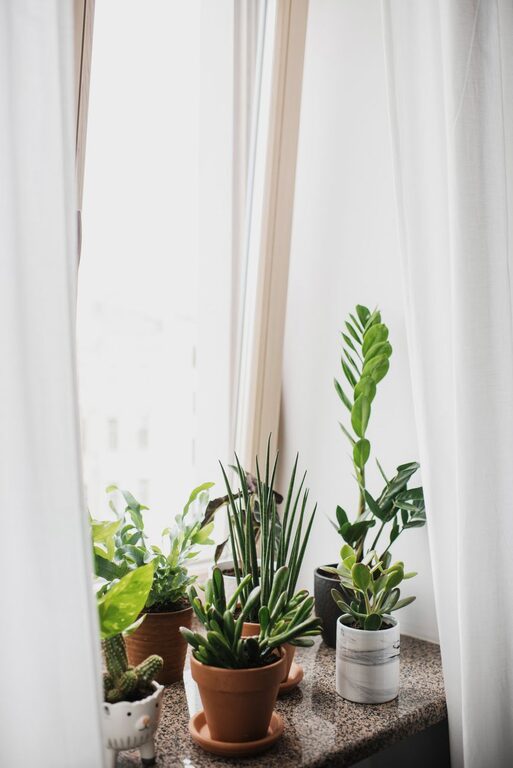
Adding plants is one of the easiest ways to refresh your home. They bring color, texture, and natural shapes into a room without requiring a complete redesign. A well-placed plant can fill an empty corner, soften a shelf, or add life to a desk.
You do not need a large collection or extensive gardening experience to get started. With a few thoughtful choices, you can create a greener, more comfortable home that reflects your style.
Before buying plants, take a few minutes to study each room. Notice the available light, temperature, layout, and surfaces where plants could fit.
Light is one of the most important factors in choosing a plant. Look at how much natural light enters the room during the day.
– Bright, direct light works well for plants that enjoy sunny windows.
– Bright, indirect light is suitable for many popular houseplants.
– Low-light areas may need plants that can tolerate limited sunshine.
– Rooms with little natural light may benefit from artificial grow lights.
Keep in mind that light can change throughout the year. A windowsill that receives gentle sunlight in winter may become much brighter during summer.
Consider both the plant’s current size and its likely mature size. A small plant may eventually become wide or tall, so avoid placing it where it will block doors, walkways, windows, or vents.
For small spaces, look at:
– Narrow shelves
– Window ledges
– Wall-mounted planters
– Hanging baskets
– Small side tables
– Open bookcases
For larger rooms, one tall plant can create a strong focal point without making the space feel crowded.
The best plant is one you can care for comfortably. Some plants need regular watering and attention, while others prefer to dry out between waterings.
If you are new to houseplants, begin with varieties known for being relatively easy to maintain. Examples include pothos, snake plants, spider plants, and certain types of philodendrons. Always check the care label, since needs can vary by variety and growing conditions.
Ask yourself:
– How often am I home?
– Will I remember a regular watering schedule?
– Do I travel often?
– Is the room warm, cool, dry, or humid?
– Do I want a leafy plant, a flowering plant, or a small succulent?
Choose a manageable number of plants at first. A few healthy plants are easier to care for than a crowded collection that requires constant attention.
A single plant can look attractive, but groups often create a more polished display. Arrange plants in groups of two or three, using different heights and shapes for visual interest.
Place a tall plant beside a shorter plant, or raise a small pot on a stand or stack of sturdy books. This creates layers and prevents every plant from sitting at the same level.
Try combining:
– A tall plant with upright leaves
– A medium plant with fuller foliage
– A small trailing plant
Leave enough space between containers for each plant to be seen clearly. Crowded displays can make a room appear untidy and may limit airflow around the leaves.
Plants can add variety even when they are all green. Look for differences in leaf size, shape, and texture. Broad leaves create a soft, generous appearance, while narrow or pointed leaves add structure.
Trailing plants can bring movement to a shelf, while upright plants help define corners. Combining these forms makes the display feel more intentional.
Plant containers are part of your home decor. Replacing plain nursery pots with attractive cachepots, baskets, or ceramic planters can make a noticeable difference.
Choose containers that complement the room’s colors and materials. For example:
– Terracotta pots suit warm, natural interiors.
– White or neutral planters create a clean, simple look.
– Woven baskets add texture and a relaxed feel.
– Dark containers provide contrast against pale walls.
– Colorful pots can brighten a quiet corner.
Make sure every decorative container allows excess water to drain, or keep the plant in a nursery pot inside the decorative container. Empty any collected water so the plant does not sit in it.
Different rooms offer different opportunities for plant styling. A few small changes can make familiar spaces feel new.
Use a tall plant to fill an empty corner near a sofa, media console, or reading chair. A low plant can sit on a coffee table or side table, provided it does not block the view or interfere with daily use.
A plant stand can also add height without requiring a large piece of furniture. Choose one that matches the room’s existing finishes, such as wood, metal, or painted materials.
The kitchen is a natural place for compact plants. Set a small container on an open shelf, windowsill, or counter corner. Herbs can provide greenery and be convenient for cooking, but make sure they receive suitable light and are kept away from excessive heat.
Avoid placing plants where they may be splashed with cleaning products, exposed to strong heat, or knocked over during food preparation.
A simple plant on a dresser or nightstand can add softness without taking over the room. Choose a size that leaves space for lamps, books, and other essentials.
Keep plant displays easy to maintain. A small arrangement that does not require frequent rearranging is often the best choice for a restful space.
Bathrooms can be suitable for plants that enjoy humidity, especially when they have natural light. Place plants on a shelf, windowsill, or narrow stand where they will not interfere with towels or everyday routines.
If the bathroom has limited light, rotate plants between brighter areas or select varieties suited to lower-light conditions.
When floor and surface space are limited, look upward. Hanging planters and wall-mounted shelves can add greenery without using valuable floor area.
Before installing anything, check that the mounting hardware is suitable for the wall and the planter’s weight. Water plants carefully to avoid spills, and do not hang them directly above electronics or furniture that could be damaged by moisture.
A vertical arrangement can also draw attention to a blank wall. Use a small number of planters and keep the layout balanced rather than filling every available space.
Healthy plants make a home look fresher, so basic maintenance matters. Set aside a few minutes each week to check your collection.
A simple routine may include:
Avoid watering every plant on the same schedule. Soil, pot size, light, temperature, and plant type all affect how quickly a plant dries out.
You do not need to replace your entire collection to create a new look. Move plants between rooms, change containers, or rearrange groupings every few months.
You can also add seasonal touches around the plants, such as a woven basket in warmer months or a textured ceramic pot during colder seasons. Keep decorations separate from the soil and allow plants enough space for light and airflow.
Refreshing the display occasionally helps you notice how plants are growing and whether they still suit their locations.
Plants should enhance your home, not make it difficult to move or clean. Leave clear paths, protect wood surfaces from moisture, and place delicate plants where they will not be easily bumped.
A balanced arrangement usually includes a mix of open space and greenery. Start with one focal plant, add a few smaller accents, and stop when the room feels complete.
With the right plants, containers, and placement, you can refresh your home in a simple and personal way. Begin with the light and space you already have, choose plants that fit your routine, and make small changes over time. The result can be a more welcoming home with color, texture, and natural character in every room.