 11
A noisy home can make it harder to relax, concentrate, sleep, or enjoy time with family. Everyday sounds such as traffic, footsteps, appliances, conversations, and barking dogs can quickly add up. The good news is that you do not always need expensive construction work to make your home quieter.
Small changes can help reduce noise by blocking sound, absorbing echoes, or limiting vibrations. Start with the most noticeable sources, then work through your rooms one step at a time.
Before buying products or rearranging furniture, spend a few minutes identifying where the noise comes from. Listen at different times of day and note whether the sound is coming from inside or outside your home.
Common sources include:
– Gaps around doors and windows
– Hard floors that reflect sound
– Loud appliances
– Footsteps from upper floors
– Echoes in empty rooms
– Street traffic and outdoor activity
– Plumbing, heating, or cooling systems
– Shared walls with nearby rooms or homes
Knowing the source helps you choose the right solution. For example, a rug can soften footsteps and echoes, while weatherstripping can reduce sound coming through a door.
Small openings can allow a surprising amount of sound into a room. Check the edges of exterior doors, interior doors, and windows for visible gaps or loose seals.
Simple improvements include:
– Add weatherstripping around doors and windows.
– Install a door sweep along the bottom of an exterior door.
– Use caulk to seal fixed gaps around window frames.
– Keep windows fully closed when outdoor noise is highest.
– Make sure curtains or blinds fit properly around the window area.
A solid-core door usually blocks more sound than a lightweight hollow door. If replacing a door is not practical, a thick curtain or movable sound-blocking panel can provide an extra layer.
Hard surfaces such as wood, tile, and laminate can reflect sound and make a room feel louder. Rugs help absorb sound while also reducing the noise of footsteps and moving furniture.
Place rugs in areas with frequent activity, including:
– Living rooms
– Hallways
– Bedrooms
– Home offices
– Dining areas
A rug pad can make the rug more effective and help prevent slipping. It also adds another soft layer between the floor and the room. In apartments or rooms above another living space, a thick rug may help reduce the sound of footsteps traveling downward.
If you have chairs or tables that scrape across the floor, attach felt pads to the legs. This small adjustment can make a noticeable difference.
Bare windows and walls can create echoes. Fabric helps absorb some of the sound that would otherwise bounce around the room.
Consider using:
– Heavy curtains
– Fabric blinds
– Wall hangings
– Upholstered furniture
– Quilts or decorative textiles
– Cushions and throw pillows
For the best results, choose curtains that reach from near the ceiling to the floor and extend beyond the sides of the window. This arrangement can help reduce both sound reflection and drafts.
You do not need to cover every wall with fabric. Adding soft materials to the areas with the most echo is often enough.
Furniture placement can help soften a room and reduce the way sound travels. Large, soft pieces are especially useful because they absorb more sound than small, hard objects.
Try these ideas:
– Place a full bookcase against a shared wall.
– Position a sofa along a wall where sound enters.
– Use a padded headboard in the bedroom.
– Keep furniture from rattling against walls.
– Add an ottoman or upholstered chair to an empty corner.
A bookcase filled with books can help break up sound reflections. Leave some variation between the books and objects rather than arranging everything in a perfectly flat line. The goal is to create a less reflective surface.
Rooms with minimal furniture often sound louder because there are fewer materials to absorb sound. If a room feels echoey, add items gradually and listen for changes.
Helpful additions include:
– A large rug
– Curtains
– Sofas or armchairs
– Cushions
– Plants with broad leaves
– Wall art with fabric or canvas
– Storage baskets
Plants will not block loud noise on their own, but they can slightly soften hard surfaces and make a room feel more comfortable. Their main benefit is as part of a larger mix of soft furnishings.
Appliances can create humming, rattling, buzzing, or vibrating sounds. First, make sure each appliance is level and placed on a stable surface. Loose parts and uneven floors can make normal operating sounds seem much louder.
You can also:
– Place a rubber mat beneath a washing machine.
– Keep the refrigerator slightly away from the wall.
– Clean appliance filters and vents regularly.
– Tighten loose panels or handles.
– Avoid running noisy appliances during quiet hours.
– Close doors to laundry rooms or utility areas.
Do not cover ventilation openings or modify an appliance in a way that could affect safe operation. If an appliance suddenly becomes much louder, check the manufacturer’s guidance or arrange appropriate service.
Interior doors can help separate active and quiet areas. Keep doors closed when noise is coming from another room, especially during activities such as television viewing, cooking, or exercising.
You can also create simple zones in your home:
– Place a television in a room with soft furniture.
– Keep work or reading areas away from busy hallways.
– Locate play areas away from bedrooms when possible.
– Use a folding screen to separate a noisy area.
– Add a curtain between rooms without a standard door.
A clear household routine can help as well. For example, set quieter times for vacuuming, music, or other activities when someone is working or sleeping.
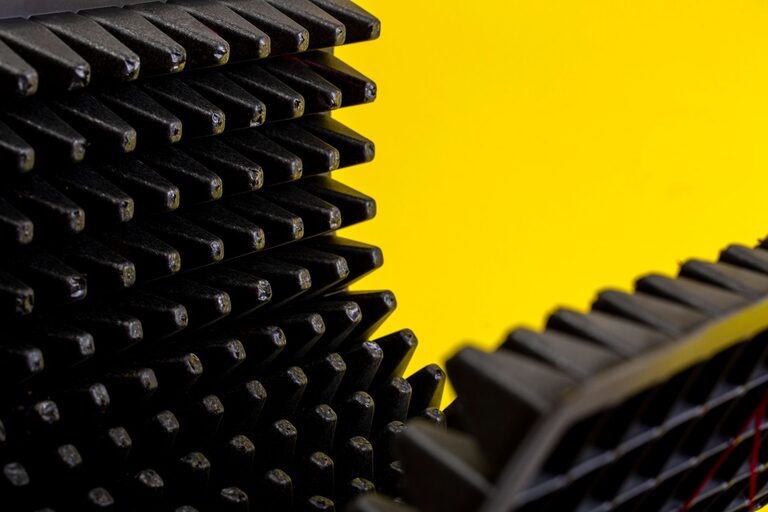
Acoustic panels can reduce echoes, especially in home offices, media rooms, and rooms with high ceilings. They work best when the problem is reflected sound inside the room rather than loud noise passing through a wall.
Place panels on:
– Large, bare walls
– The wall opposite a television or speaker
– Areas where you notice strong echoes
– The ceiling above a desk or seating area, when suitable
Choose panels that fit your room’s style, or use framed fabric panels for a more decorative look. Follow the installation instructions carefully and avoid placing products where they could block vents, lights, or exits.
Outdoor sounds are often strongest near windows and doors. In addition to sealing gaps and using curtains, consider the layout of the room. Move beds, desks, or seating farther from a busy window if possible.
Other options include:
– Closing windows during peak traffic periods
– Using a white noise machine or quiet fan
– Adding outdoor plants or fencing where appropriate
– Using thicker window coverings
– Choosing rooms on the quieter side of the home for sleeping or working
White noise does not remove outside sounds, but it can make sudden changes in background noise less noticeable.
You can make meaningful improvements without changing everything at once. Begin with the most affordable steps:
After each change, listen to the room again. A combination of several modest improvements often works better than relying on a single product.
Reducing noise at home is mostly about using layers. Soft furnishings absorb sound, furniture helps break up echoes, and seals block noise from outside. Begin with the rooms where noise affects you most, such as the bedroom, home office, or living room.
With a few practical adjustments and regular attention to noisy appliances and rattling furniture, you can create a more peaceful home without a major renovation.