 11
A clean, organized car is more comfortable, easier to use, and safer to drive. When everything has a place, you spend less time searching for items and less time dealing with clutter. Regular cleaning also helps protect your car’s interior from stains, odors, and unnecessary wear.
Keeping your car tidy does not require expensive products or hours of work. A few useful storage tools, a simple routine, and regular small cleanups can make a noticeable difference.
Before organizing your car, take out everything that does not belong there. This includes empty bottles, food wrappers, receipts, clothing, sports equipment, and items that were left behind after previous trips.
Place the items into three groups:
– Keep in the car: Items you use regularly or need during emergencies
– Move elsewhere: Belongings that belong in your home, office, or garage
– Throw away or recycle: Trash, old papers, and empty containers
Check under the seats, inside door pockets, in the glove compartment, and in the trunk. These areas often collect forgotten items. Removing everything gives you a clear view of the space and makes cleaning much easier.
Once the car is empty, decide where important items should go. Giving each item a specific location makes it easier to put things away after every trip.
For example:
– Keep charging cables in a small pouch
– Store registration and vehicle documents in the glove compartment
– Place reusable shopping bags in the trunk
– Use a cup holder for a travel mug or water bottle
– Keep tissues in a door pocket or center console
– Store an umbrella in a side pocket or under a seat
Avoid filling every available space. Storage areas work best when they are easy to access and not overstuffed.
A few inexpensive organizers can help prevent clutter. A console organizer separates small items such as coins, pens, sunglasses, and charging cords. Seat-back organizers can hold books, tablets, tissues, or small travel supplies.
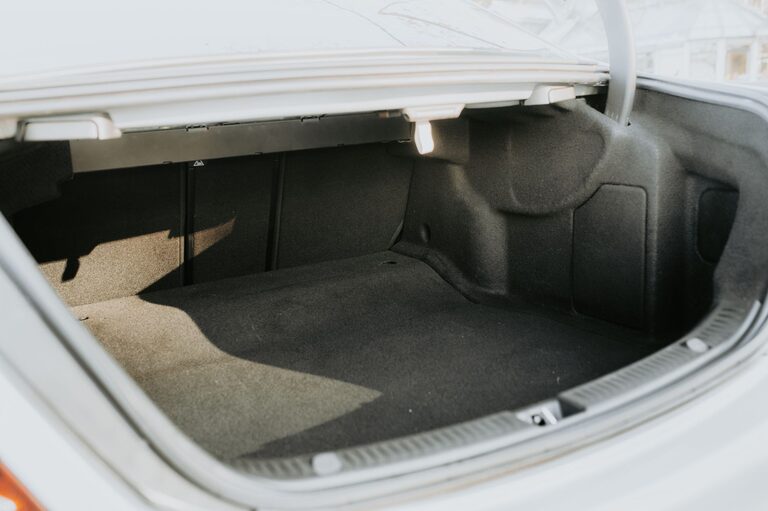
A trunk organizer is useful for groceries, tools, cleaning products, and emergency supplies. Choose one with separate compartments so items do not roll around while you drive. Foldable organizers are especially helpful because they can be stored when they are not needed.
The glove compartment can quickly become a storage area for old receipts, manuals, papers, and miscellaneous items. Remove anything you do not need and keep only useful documents and supplies.
Consider storing the following items there:
– Vehicle documents
– A small notebook and pen
– A flashlight
– Emergency contact information
– A few cleaning wipes
– A spare charging cable
If your car has a digital owner’s manual, you may not need to keep a thick paper manual in the vehicle. However, check your local requirements and keep important documents available when necessary.
Cleaning from top to bottom helps prevent dust and dirt from settling on areas you have already cleaned. Begin with the dashboard, air vents, and other higher surfaces. Then move to the seats, doors, floor mats, and carpet.
A simple interior cleaning routine includes:
Use a clean microfiber cloth to reduce streaks and prevent scratches. Avoid spraying cleaner directly onto electronic screens, buttons, or vents. Spray a small amount onto the cloth instead, following the product instructions.
Some parts of the car collect dirt and fingerprints more quickly than others. Wipe these areas often:
– Steering wheel
– Gear selector
– Door handles
– Window buttons
– Center console
– Seat belt buckles
– Touchscreen and other controls
A quick wipe once or twice a week can keep these surfaces looking fresh and reduce the need for deep cleaning later.
Floor mats protect the carpet from mud, spills, and everyday dirt. Remove them from the car before cleaning so you can shake out loose debris and vacuum underneath.
Rubber mats can usually be rinsed and scrubbed with mild soap. Fabric mats should be vacuumed and cleaned according to the manufacturer’s instructions. Let mats dry completely before putting them back in the car to help prevent damp odors.
For fabric seats, vacuum crumbs and dirt from seams and folds. Treat spills as soon as possible with a cleaner designed for the material. Leather and synthetic leather seats may need a product made specifically for those surfaces. Avoid using harsh household cleaners, which may cause fading or damage.
The easiest way to keep a car clean is to stop clutter from building up. Try setting a few simple rules for everyone who rides in the vehicle.
For example:
– Take all personal items with you when you leave
– Do not leave food or drink containers behind
– Keep a small trash bag in the car
– Return borrowed items after each trip
– Limit the number of loose items on seats and floors
– Put shopping bags and equipment in the trunk
A small, removable trash container can make a major difference. Choose one that is easy to empty and does not block access to important controls. Empty it regularly rather than waiting until it is full.
Fresh spills are easier to clean than dried stains. As soon as a spill happens, use a clean cloth to blot the area. Avoid rubbing aggressively, since this can push the liquid deeper into fabric.
If your car develops an odor, begin by finding the source. Check under the seats, inside storage compartments, and in the trunk. Remove damp items, food, or other materials that may be causing the smell. Vacuuming and airing out the vehicle can also help.
Avoid covering odors with strong fragrances. Air fresheners may mask a smell temporarily without solving the underlying problem. A clean interior and good airflow are usually more effective.
Short, regular cleanups are easier than one large cleaning session. A weekly routine might take only 10 to 15 minutes.
– Remove trash and personal items
– Wipe high-touch surfaces
– Shake out or vacuum floor mats
– Check for spills
– Return misplaced items to their proper locations
– Vacuum the entire interior
– Clean windows and mirrors
– Wipe the dashboard and door panels
– Clean the trunk
– Check organizers and storage compartments
– Wash the exterior if needed
You can schedule these tasks on the same day each week or attach them to another regular activity, such as grocery shopping. A predictable routine makes car care easier to remember.
A small car care kit can help you handle everyday messes without creating more clutter. Store supplies in a closed container or trunk organizer.
Useful items include:
– Microfiber cloths
– Interior cleaning wipes
– Paper towels
– Small trash bags
– Hand sanitizer
– A compact flashlight
– Reusable shopping bags
– A soft brush for vents and seams
Keep the kit limited to items you actually use. Too many supplies can take up valuable space and become another source of clutter.
If several people use the car, keeping it organized works best when everyone follows the same expectations. Ask passengers to take their belongings and trash with them. Explain where shared items belong, such as shopping bags, chargers, or emergency supplies.
When everyone helps with small tasks, the car stays cleaner with less effort. The goal is not perfection but consistency. A few minutes of care after each trip can keep the interior comfortable, organized, and ready for the road.