 11
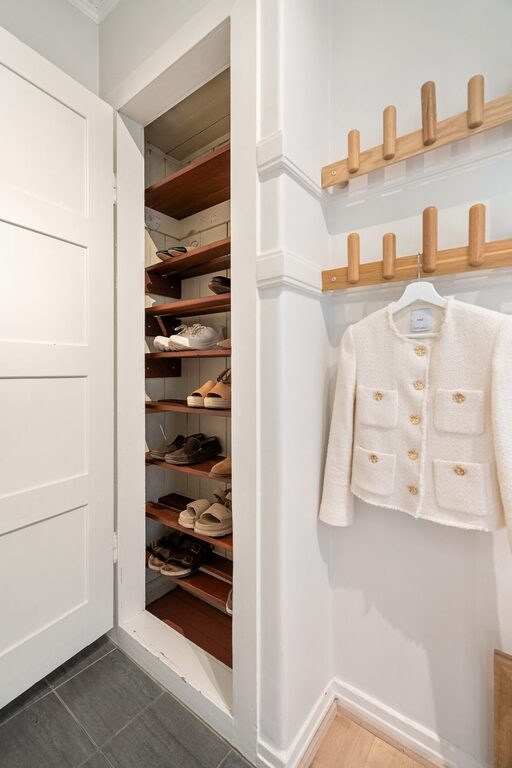
Small homes and apartments can be comfortable, stylish, and easy to live in. The key is choosing storage that fits your space and supports the way you use it. Instead of adding more bulky furniture, look for unused areas, flexible pieces, and simple systems that keep everyday items within reach.
These small space storage ideas can help you reduce clutter without making your home feel crowded.
Before buying baskets, shelves, or containers, take a quick look at what you own and where you use it. Storage works best when items are kept close to the place where they are needed.
Begin with these three steps:
A simple plan helps prevent wasted space and keeps you from buying containers that do not fit.
When floor space is limited, look up. Walls and the backs of doors often provide valuable storage without taking up much room.
Wall mounted shelves are useful in almost every room. Install them above a desk, sofa, bed, or kitchen counter to store books, plants, dishes, or decorative items.
Choose shelves that match the size of the wall. A few narrow shelves can provide storage while keeping the room visually open. Use attractive baskets or boxes on lower shelves to hide smaller items.
Pegboards and wall rails are especially helpful in kitchens, craft areas, and entryways. Hooks can hold bags, tools, utensils, hats, and small accessories.
The benefit of these systems is flexibility. You can move hooks and holders as your needs change, making them a practical choice for renters and growing households.
Door backs are often overlooked. Add an over-the-door organizer to a pantry, closet, bathroom, or bedroom door. These organizers can hold shoes, toiletries, cleaning supplies, accessories, or office materials.
Choose a slim design if the door opens into a narrow hallway. Make sure the organizer does not block the door from closing properly.
Furniture that serves more than one purpose is ideal for a small home. It helps you use the same amount of floor space more efficiently.
A storage ottoman can act as seating, a footrest, and a place to store blankets, games, or books. Choose one that is easy to open and light enough to move when needed.
In a living room, a firm ottoman can also serve as a coffee table. Add a tray on top to create a stable surface for drinks and small items.
The space beneath a bed is valuable, especially in a small bedroom. A platform bed with built-in drawers provides organized storage for clothing, linens, shoes, or seasonal items.
If replacing the bed is not practical, use low containers or rolling boxes underneath. Select containers with lids to protect items from dust, and label each one clearly.
A drop leaf table can function as a dining table, work surface, or craft area. Fold down one or both sides when the table is not in use to create more walking space.
Wall mounted folding desks offer a similar benefit in bedrooms, hallways, and living rooms. Some include shelves or compartments for office supplies.
A small closet can hold much more when the space is divided into sections. One long hanging rod often leaves unused space above and below clothing.
Try these closet improvements:
– Add a second hanging rod for shorter garments.
– Use slim hangers to create more room.
– Store shoes on a vertical rack or behind the door.
– Add shelf dividers for folded clothing and bags.
– Place small bins on upper shelves for seasonal accessories.
– Use hooks on the side walls for belts, scarves, and purses.
Keep frequently worn items at eye level. Store occasional or seasonal items higher up, but use labeled containers so they are easy to find later.
Kitchens often become crowded because counters, cabinets, and drawers are used without a clear system. A few small changes can create more working space.
Attach slim racks or hooks inside cabinet doors to hold measuring spoons, pot lids, cutting boards, or cleaning supplies. Check the cabinet depth first to make sure the door can close.
Shelf risers create a second level inside cabinets. They are useful for plates, cups, cans, and small appliances. This simple addition makes items easier to see and prevents unused vertical space.
Pull out baskets or drawers make deep cabinets easier to use. Instead of reaching behind several items, you can slide the organizer forward and see everything at once.
For small kitchens, a rolling cart can provide extra storage for spices, cooking tools, or pantry items. Move it beside the counter when needed and tuck it away when the work is done.
The entryway can become cluttered quickly, but even a narrow area can support an effective storage system.
Install a row of hooks for coats, bags, and keys. Add a narrow bench with shoe storage underneath, or use a small basket for items that need to leave the house. A wall mounted mail holder can keep papers from collecting on nearby surfaces.
If you do not have a defined entryway, create one with a small shelf, mirror, and a few hooks near the door. Keeping this zone organized makes the whole home feel tidier.
Containers help small spaces stay organized, but they should make items easier to find. Clear boxes are useful for craft supplies, pantry goods, bathroom items, and seasonal decorations.
Labels are especially helpful when containers are opaque or stored on high shelves. Use short labels such as “batteries,” “winter clothes,” or “gift wrap.”
Avoid filling every container completely. Leave a little extra room so you can put items away without forcing them inside.
Storage systems only work when they are easy to maintain. Set aside a few minutes each week to return items to their proper places.
Use a simple reset routine:
– Clear counters and tables.
– Return loose items to their storage areas.
– Empty bags and sort incoming papers.
– Check the entryway for shoes and coats.
– Remove items that no longer belong in the room.
The best storage solution is one you can use every day. Choose accessible options for frequently used items and reserve harder-to-reach spaces for things you use less often.
Storage does not have to look purely practical. Matching baskets, wooden shelves, attractive boxes, and coordinated hooks can add style while keeping clutter under control.
Use a mix of open and closed storage. Open shelves make a room feel lighter, while cabinets and baskets hide visual clutter. Keep displays simple by grouping similar items and leaving some empty space between them.
With thoughtful planning, vertical solutions, multipurpose furniture, and regular organization, even a small home can feel spacious and comfortable.